
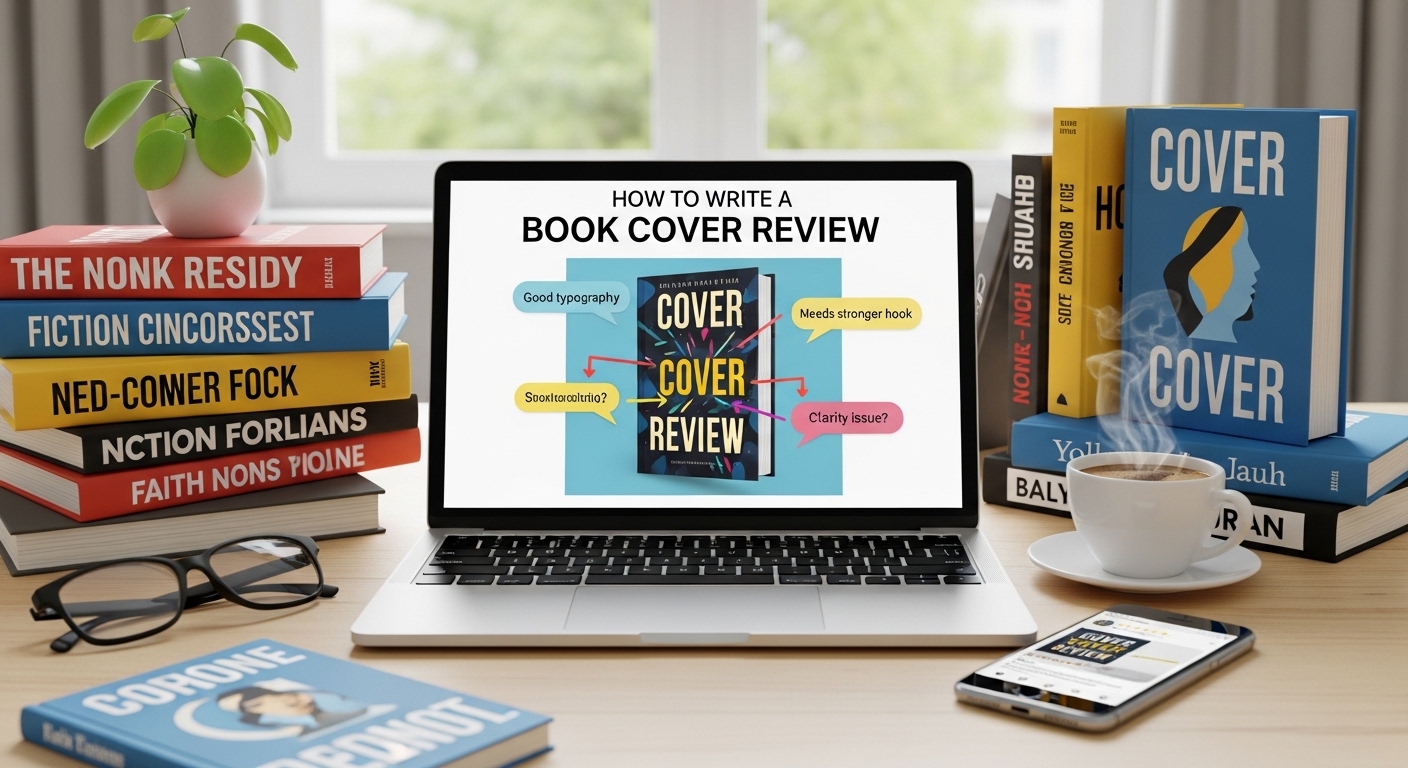
If you want to understand how to write a book cover review, you must approach it with a design-focused and market-aware mindset rather than treating it like a traditional book summary or literary analysis. A book cover review evaluates the visual communication strategy behind a cover—examining graphic design, typography choices, color psychology, imagery, layout composition, branding consistency, and overall marketing effectiveness. Unlike a general book review that critiques plot and writing style, this type of review analyzes how well the cover functions as a publishing and sales tool.
In today’s competitive publishing industry—across traditional publishing, hybrid presses, and self-publishing platforms—a book cover serves as a primary marketing asset. It shapes first impressions, signals genre instantly, influences click-through rates on online retailers, and strengthens author branding. Just as authors must learn How To Write A Book Cover Letter when submitting to agents, they should also understand how to critically assess cover design performance in a crowded marketplace. Both documents—cover letters and cover designs—operate as strategic presentation tools within the publishing ecosystem.
This comprehensive guide will explain how to write a professional book cover review using industry-relevant terminology and evaluation criteria. You will learn what design elements to analyze, how to structure a balanced and objective critique, how to incorporate publishing and marketing insights, and how to align aesthetic judgment with genre expectations and commercial viability.
What Is A Book Cover Review?
A book cover review is a focused critique of a book’s exterior design rather than its internal content. It evaluates how effectively the cover communicates:
- Genre
- Tone
- Target audience
- Professional quality
- Brand consistency
Unlike a general book review, which discusses plot, characters, and themes, a book cover review examines visual storytelling.
It asks one central question:
Does the cover successfully attract the right reader and represent the book’s content?
Why Book Cover Reviews Matter
In both print and digital marketplaces, readers often make decisions within seconds. Online, the cover appears as a thumbnail. In bookstores, it competes visually with dozens of others.
A strong cover:
- Grabs attention
- Signals genre immediately
- Conveys mood and tone
- Builds credibility
- Encourages browsing
A book cover review helps authors, designers, and readers assess whether these goals are being achieved.
How To Write A Book Cover Review: Step-By-Step Structure
A well-structured book cover review maintains clarity and professionalism. While tone can vary depending on whether you are writing for a blog, magazine, or academic context, the analytical structure should remain consistent.
1. Begin With A Brief Introduction
Start by identifying the book:
- Title
- Author
- Genre
Provide context without summarizing the entire story. Mention the target audience if relevant.
For example:
“The cover of The Silent Echo by Daniel Reeves positions itself firmly within the psychological thriller genre through its dark color palette and minimalist typography.”
This opening signals that your review will focus on design evaluation rather than plot.
2. Analyze Visual Elements
The core of your book cover review should examine design components individually and collectively.
Color Scheme
Discuss the psychological impact of color. Dark tones often signal suspense or horror. Pastels may indicate romance or contemporary fiction.
Ask:
- Do the colors align with genre expectations?
- Do they evoke the intended mood?
- Is contrast used effectively?
Color communicates emotion instantly.
Typography
Typography plays a critical branding role.
Evaluate:
- Font style (serif, sans-serif, script)
- Readability
- Hierarchy between title and author name
- Consistency with genre norms
For example, ornate script fonts often signal historical romance, while bold sans-serif fonts may suggest modern thrillers or nonfiction.
Poor typography can undermine even strong imagery.
Imagery And Graphics
Examine the central image or illustration.
Consider:
- Relevance to the story
- Originality
- Quality of artwork or photography
- Composition and balance
Is the image generic stock photography, or does it feel intentional and unique?
Does it create intrigue?
A compelling book cover should raise questions rather than explain everything.
3. Evaluate Genre Alignment
A professional book cover review must address market positioning.
Does the cover clearly signal its genre?
For example:
- Fantasy covers often feature epic landscapes, mythical elements, or stylized fonts.
- Romance covers frequently emphasize emotional intimacy or character imagery.
- Business nonfiction covers tend to prioritize bold typography and minimalism.
If a thriller looks like a romantic drama, readers may feel misled.
Genre clarity directly impacts sales performance.
4. Assess Marketing Effectiveness
Beyond aesthetics, evaluate the cover as a marketing tool.
Ask:
- Would this stand out as a thumbnail on Amazon?
- Does it look professionally designed?
- Does it align with current publishing trends?
- Is it memorable?
In modern publishing, covers must function at small sizes. Intricate details that disappear in thumbnails reduce impact.
5. Provide Balanced Critique
A strong book cover review includes both strengths and constructive criticism.
Avoid vague praise like:
“It’s beautiful.”
Instead, explain why:
“The contrast between the bright red title and the shadowed background creates strong visual tension, effectively reinforcing the novel’s suspenseful tone.”
Similarly, critique respectfully:
“The subtitle appears too small to read in digital formats, which may limit visibility in online marketplaces.”
Specific observations demonstrate credibility.
Tone And Professionalism In A Book Cover Review
When writing a book cover review, especially publicly, maintain professionalism.
Avoid personal attacks on designers or authors. Focus on design execution rather than intent.
Use objective language:
- “The composition feels crowded.”
- “The typography lacks hierarchy.”
- “The visual theme does not clearly indicate genre.”
Professional tone increases the authority of your review.
Example Of A Short Book Cover Review
Here is a brief example for illustration:
“The cover of Midnight Harbor effectively establishes its mystery-thriller identity through a moody blue-black palette and minimalist typography. The solitary lighthouse image positioned against a stormy sky creates immediate atmosphere and tension. The title, rendered in bold uppercase serif lettering, remains legible even at thumbnail size, enhancing its online marketability.
However, the author’s name appears slightly overshadowed by the dominant imagery, which may reduce brand visibility for repeat readers. Overall, the cover succeeds in signaling genre and mood while maintaining professional polish.”
Notice the balance between praise and critique.
How Long Should A Book Cover Review Be?
Length depends on purpose.
- Blog reviews: 500–1000 words
- Magazine critiques: 800–1200 words
- Academic design analysis: 1500+ words
For online publishing, clarity and readability matter more than length.
Who Should Write A Book Cover Review?
Book cover reviews can be written by:
- Book bloggers
- Graphic designers
- Publishing professionals
- Literary critics
- Marketing analysts
Each perspective may emphasize different aspects, but the structural evaluation remains similar.
Frequently Asked Questions
What Is The Difference Between A Book Review And A Book Cover Review?
A book review evaluates the story, themes, writing style, and characters. A book cover review focuses exclusively on the design, typography, imagery, and marketing effectiveness of the cover.
Can I Criticize A Book Cover Publicly?
Yes, but maintain professionalism. Focus on design analysis rather than personal criticism of the author or designer.
Should A Book Cover Review Mention Genre Expectations?
Absolutely. Genre alignment is one of the most important elements in evaluating a book cover’s effectiveness.
Is Personal Taste Important In A Book Cover Review?
Personal taste may influence perception, but effective reviews prioritize objective design principles and market positioning over subjective preference.
How Do I Make My Book Cover Review More Professional?
Use specific design terminology, analyze visual hierarchy, discuss typography and color psychology, and maintain a balanced tone.
Final Thoughts On How To Write A Book Cover Review
Learning how to write a book cover review requires combining aesthetic awareness with marketing insight. A successful review does more than say whether a cover looks attractive. It evaluates whether the design communicates genre, tone, and target audience effectively.
In a competitive publishing landscape, book covers function as powerful marketing assets. A thoughtful, well-structured review can provide valuable insights for authors, designers, and readers alike.
When written clearly and professionally, a book cover review becomes more than an opinion—it becomes a design analysis grounded in publishing strategy.