
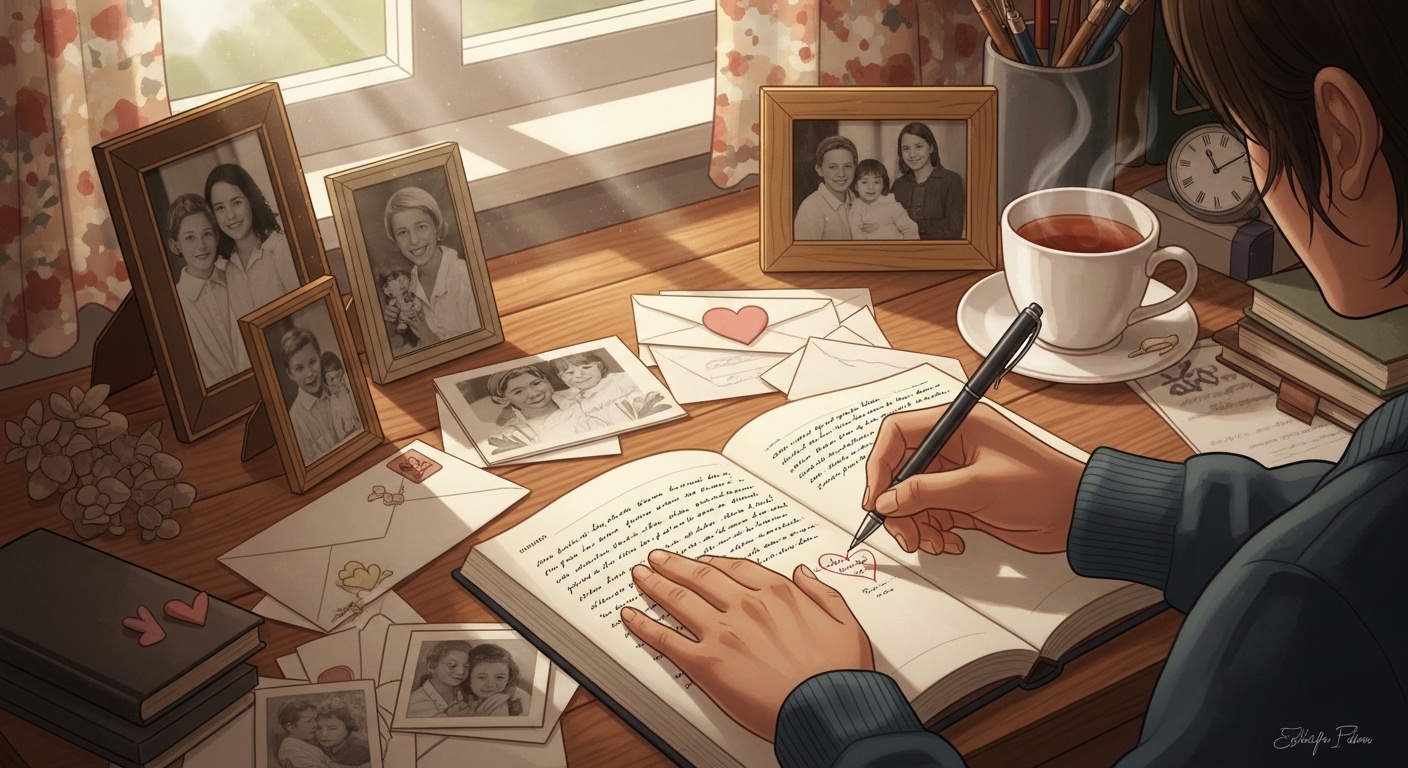
Writing a book for someone you love is one of the most meaningful ways to honor a special relationship, preserve treasured memories, or celebrate a lasting legacy. Whether it’s for a romantic partner, a parent, grandparent, friend, or anyone who has profoundly impacted your life, this type of book goes beyond a simple narrative. Unlike conventional books, it combines personal storytelling, emotional reflection, and heartfelt memories, creating a living testament to the bond you share.
Similarly, if your goal is to write a book for kids, the process also involves thoughtful planning, creative storytelling, and engaging your audience with memorable characters and vivid illustrations. From crafting age-appropriate content and designing relatable characters to structuring your plot for young readers, writing a children’s book requires a blend of creativity, clarity, and emotional resonance.
In this complete guide, you will learn how to write a book for someone you love and how to write a book for kids, covering everything from idea generation, book outlines, and character development to emotional storytelling and publishing strategies. Whether you aim to create a memoir, a tribute, a collection of letters, or a children’s story inspired by real-life experiences, these practical tips will help you craft a book that is heartfelt, engaging, and timeless.
Why Writing a Book for Someone You Loved Matters
Before you start writing, it’s important to understand why this type of book is special. Unlike other books, these projects are deeply personal and carry emotional weight. They allow you to:
- Preserve memories for future generations.
- Celebrate achievements, milestones, or shared experiences.
- Express love, gratitude, or appreciation in a lasting way.
- Create a tangible keepsake that will be cherished.
Writing a book for someone you loved isn’t just about documenting facts—it’s about capturing emotions, moments, and lessons in a way that speaks to both heart and mind.
Step 1: Define the Purpose of Your Book
Before putting pen to paper, ask yourself:
- Is this a tribute for someone who has passed away?
- Is it a celebration of a living loved one’s life?
- Is it meant as a personal gift or something for a wider audience?
- Are you documenting their life story, or creating a fictionalized version inspired by them?
Clarifying your purpose will guide your tone, structure, and style, ensuring the final book aligns with your intention.
Step 2: Gather Memories and Materials
A compelling book is built on authentic material. Take the time to collect:
- Photos, letters, and personal notes that capture important moments.
- Stories and anecdotes from friends, family, or colleagues.
- Journals or diaries if available, to understand their voice and perspective.
- Personal reflections—your own experiences, lessons, and emotions.
Think of this step as creating a memory archive. The more detail you collect, the richer and more vivid your book will be.
Step 3: Choose a Format
The format of your book shapes how you write it. Consider the following options:
- Memoir or Biography: Tells the life story of your loved one.
- Letter Collection: Series of letters addressed to or from them.
- Fiction Inspired by Their Life: Uses real events as inspiration for a fictional story.
- Photo-Book: Combines imagery with captions or short narratives.
- Poetry Collection: Expresses emotions in verse form.
Choose a format that suits both your writing style and the emotional impact you want to achieve.
Step 4: Organize Your Story
Even personal books benefit from structure. Decide whether your narrative will be:
- Chronological: Starting from early memories and moving forward in time.
- Thematic: Organizing chapters by themes, such as love, humor, lessons, or milestones.
- Hybrid: Combining both chronology and themes for a more layered approach.
A clear structure ensures the book flows naturally, making it easy for readers to follow and emotionally connect with the story.
Step 5: Capture Authentic Emotion
The heart of this book is emotion. To do this effectively:
- Write from your perspective, honestly and openly.
- Show emotions through stories, dialogue, and actions rather than abstract statements.
- Balance grief, nostalgia, humor, and joy to reflect real-life experiences.
- Avoid exaggeration or idealization; authenticity resonates most.
Remember, readers will connect more deeply to stories that feel real.
Step 6: Include Vivid Details
Details make memories tangible. Describe sensory experiences vividly:
- Sight: “The sunset painted the sky in shades of orange and violet over the lake where we spent every summer.”
- Sound: “Her laughter echoed through the kitchen every Sunday morning.”
- Touch: “His hand, warm and reassuring, guided me through every challenge.”
- Smell and Taste: “The aroma of freshly baked bread reminded me of our Sunday mornings together.”
Specifics create intimacy and help readers feel present in the moments you share.
Step 7: Write with Respect and Sensitivity
If your book involves other family members or friends, sensitivity is critical:
- Avoid sharing private or potentially hurtful details without permission.
- Respect different perspectives and interpretations of shared memories.
- Honor your loved one’s legacy while staying true to your own voice.
A respectful tone enhances authenticity and ensures the book is cherished rather than controversial.
Step 8: Revise Thoughtfully
Editing personal stories requires a careful touch:
- Ensure clarity and readability.
- Maintain a consistent tone and voice throughout the book.
- Preserve the emotional impact while tightening structure.
- Remove repetition or stories that don’t contribute meaningfully to the narrative.
Professional editing is recommended if the book will be shared publicly or published.
Step 9: Decide How to Share Your Book
Your book can be a private keepsake or a publicly available work:
- Private Gift: Printed copies or digital versions for family and friends.
- Self-Publishing: Platforms like Amazon Kindle Direct Publishing or Blurb make small runs possible.
- Traditional Publishing: If your story has broader appeal, you may consider publishing commercially.
Even a single beautifully crafted copy can be deeply meaningful and impactful.
Step 10: Add Personal Touches
Personal details make the book unique and memorable:
- Photographs, handwritten letters, or scanned memorabilia.
- Favorite quotes, sayings, or poems that resonate with the relationship.
- Dedications or acknowledgments to highlight shared experiences.
- Illustrations or custom artwork that reflect important moments.
These touches elevate the book from a story into a treasured keepsake.
Common Beginner Mistakes to Avoid
- Overloading the book with too many memories or irrelevant anecdotes.
- Writing in a purely factual or list-like manner without emotional depth.
- Ignoring the intended audience (family, friends, or a broader readership).
- Trying to “perfect” every detail instead of capturing authenticity.
- Delaying writing due to emotional difficulty or fear.
Focusing on clarity, emotional resonance, and structure ensures your book is meaningful and readable.
Frequently Asked Questions (FAQs)
How long should a book for someone you loved be?
It depends on your format. Picture books or letter collections may be 30–50 pages; memoirs or full biographies can range from 50–200 pages. Quality and emotional depth matter more than length.
Can I write a fictionalized version inspired by my loved one?
Absolutely. Fiction allows exploration of themes and emotions while preserving privacy or artistic interpretation.
What if I feel overwhelmed by emotion while writing?
Write in short sessions and journal your feelings first. Taking breaks can prevent burnout and help maintain clarity.
Should I include stories from other people?
Only with permission. Quotes or anecdotes can enrich your book but must be respectful and accurate.
Can I publish a personal book for someone I loved?
Yes. Both self-publishing and traditional publishing are viable, depending on your goals. Even a private limited edition can be a cherished keepsake.
Final Thoughts
Writing a book for someone you loved is a deeply personal act of love, remembrance, and tribute. By approaching the project thoughtfully—defining your purpose, gathering memories, structuring your story, capturing authentic emotion, and including personal touches—you can create a book that becomes a lasting legacy.
Whether you give it as a gift, preserve it for future generations, or share it publicly, a book written from the heart has the power to celebrate a life, honor relationships, and preserve memories in a way nothing else can.How To Write A Book For Someone You Loved