
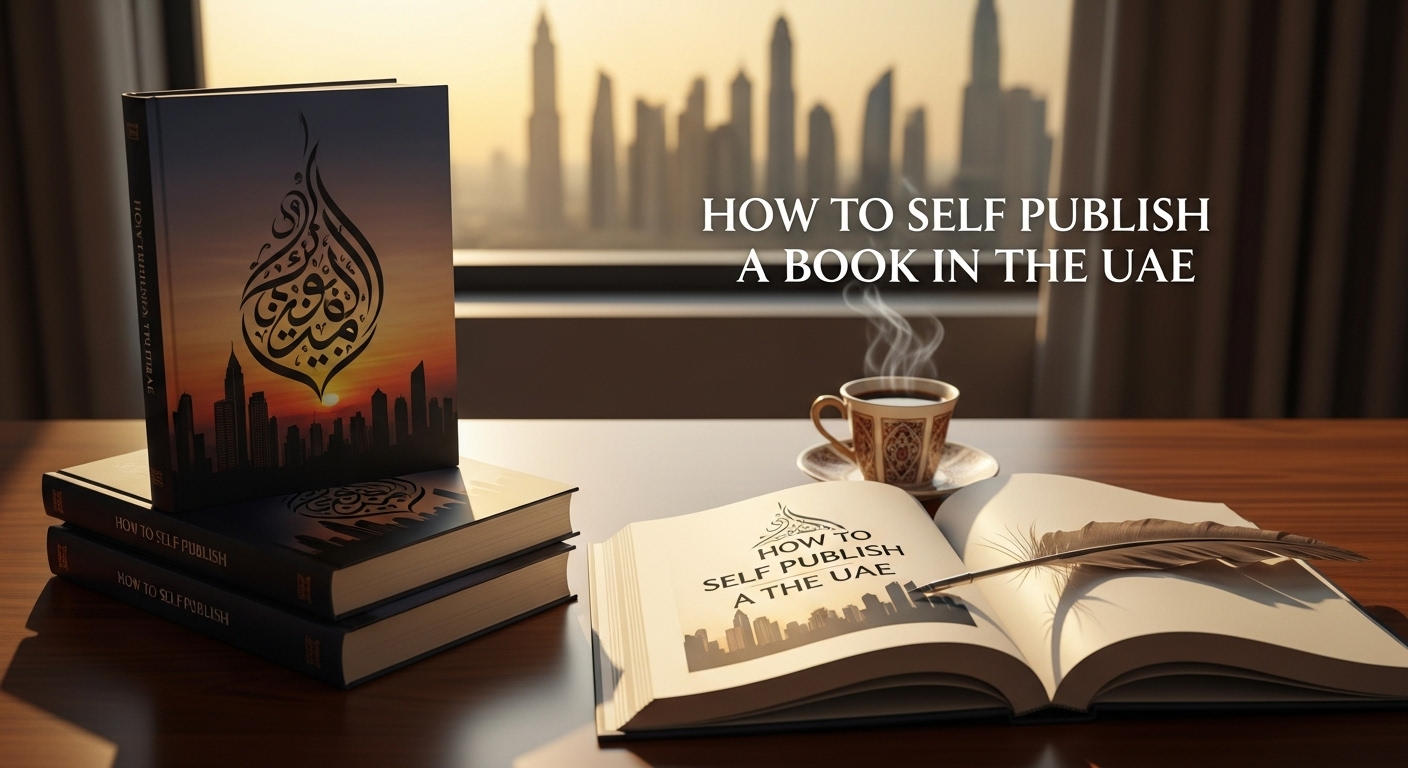
Self‑publishing a book in the UAE is not just possible—it’s an empowering path for writers, entrepreneurs, and creatives who want complete control over their work, from manuscript to marketplace. Unlike traditional publishing, self‑publishing allows you to decide how your book looks, where it sells, what format it’s in, and how you promote it. Whether you’re writing a novel, a business guide, or a collection of photography, self-publishing gives you the freedom to shape every detail and bring your vision to life exactly as you imagined.
However, self‑publishing in the UAE comes with unique considerations. From obtaining legal approvals and ISBNs to understanding the local market and navigating distribution channels, there are steps that require careful planning. Knowing how to present your book professionally, ensuring it meets regulatory requirements, and choosing the right printing or digital platforms are crucial to success.
Moreover, lessons from other self-publishing markets, such as Singapore, can provide valuable insight. If you’ve wondered how to self-publish a book in Singapore, the process shares many similarities with the UAE: both involve selecting professional editing and design, registering ISBNs, choosing between print-on-demand and bulk printing, and strategically marketing to local and international readers. By understanding best practices from other successful self-publishing hubs, UAE authors can position their books for maximum reach and profitability.
This guide will walk you through every step of the self-publishing journey in the UAE: from manuscript preparation and legal compliance to printing, distribution, and marketing your book to readers both regionally and globally. By the end, you’ll have a clear roadmap for turning your manuscript into a professionally published book—and potentially a profitable one.
Why Self‑Publish In The UAE?
The UAE—especially cities like Dubai, Abu Dhabi, and Sharjah—has emerged as a cultural and creative hub in the Middle East. With global trade connections, strong expat populations, and growing interest in literature, the UAE offers fertile ground for authors to publish and monetize their books
Here’s why self‑publishing is attractive:
- Creative Control – You decide your content, cover, pricing, and distribution.
- Affordable Entry – Digital platforms and print‑on‑demand reduce upfront costs compared with traditional publishing.
- Global Reach – Online platforms let your book be discoverable internationally, not just in the UAE.
- Niche Market Opportunities – Books in English, Arabic, or languages catering to expat communities can find targeted audiences.
However, the journey requires discipline, adherence to local regulations, and thoughtful marketing planning.
Finalize and Polish Your Manuscript
Before thinking about publishing logistics, your manuscript must be ready for prime time. This means:
Editing, Proofreading, and Formatting
- Content Editing: Ensure clarity, cohesion, and narrative flow.
- Copyediting & Proofreading: Correct grammar, spelling, and inconsistencies—ideally with professional help; readers notice errors fast.
- Formatting: Prepare clean, professionally formatted interior files for print and eBook. Tools like Adobe InDesign or Vellum can help, or you can hire a specialist. (
Designing a Professional Cover
A book cover must attract the right audience and convey the genre instantly. Invest in quality cover design that aligns with industry standards—visual appeal significantly impacts sales.
Understand UAE Publishing Regulations
Unlike purely digital self-publishing in some countries, the UAE has specific regulatory requirements for printed books.
ISBN and Legal Permissions
To sell in bookstores, online retailers, or libraries, your book needs an ISBN (International Standard Book Number). In the UAE, ISBNs and publication authorization are typically issued through the National Media Council (NMC) or the UAE Media Council.
Steps usually include:
- Register as a publisher (you can do this as an individual).
- Submit your manuscript and required documentation.
- Receive your ISBN(s)—one per format (eBook, paperback, hardcover).
For print books, government content approval is often required. This ensures alignment with cultural and legal standards and avoids potential issues with distribution later. (
Cultural and Legal Considerations
Be mindful of content that touches on sensitive topics (religion, politics, sexuality) as these may face stricter review or amendments during approval.
Decide on Publishing Format
Your book can be published in several forms, each with pros and cons:
eBook
- Low cost and wide reach.
- Ideal for first‑time authors or niche topics.
- Format choices include EPUB and MOBI for major digital retailers. (
Print‑On‑Demand (POD)
- No inventory needed; books print only when ordered.
- Works well for authors testing the market or avoiding upfront printing costs.
- Major platforms like Amazon KDP support POD globally.
Offset Printing (Bulk Print)
- Good for book launches, local events, and bookstores.
- Per unit cost is lower with large quantities, though upfront costs are higher.
Local printers and presses in the UAE (e.g., in Dubai and Sharjah) offer a range of binding, finishes, and personalization options for printed books as well.
Choose Platforms for Distribution
Where your book sells influences visibility and revenue.
Global Platforms
- Amazon KDP: Offers both eBook and POD distribution worldwide; often the easiest entry point for first‑time authors.
- IngramSpark: Great for print distribution to thousands of retailers, including libraries and indie bookstores globally.
- Draft2Digital / Smashwords: Useful for reaching Apple Books, Kobo, and other digital stores.
Regional and Local Platforms
- Noon.com: A major UAE e‑commerce retailer with local delivery options.
- Jamalon: A large online Arabic bookstore catering to MENA readers.
- Neelwafurat: Popular for Arabic books with strong regional presence. c. Direct Sales
Sell directly through your author website, social media, or at local events to retain full revenue and build your audience.
Set Smart Pricing
Pricing affects your sales velocity and royalties.
- eBooks: Often priced from AED 10–30 depending on genre and length.
- Print Books: Can range from AED 40–90+ depending on page count, binding, and quality.
Understand platform royalty models too:
- Amazon KDP eBook: 35% or 70% based on pricing.
- Google Play Books: ~52% after retailer share.
- Apple Books: Around 70% for authors.
Also account for 5% VAT on goods sold in the UAE when calculating final prices and profits.
Build Your Marketing Strategy
Publishing is just step one; marketing determines long‑term success.
Create an Online Presence
Author Website: Central hub for your book, author bio, reviews, and direct sales.
Email List: Collect reader emails for launch news and promotions.
Leverage Social Media
Platforms like Instagram, TikTok, and Facebook are highly active in the UAE and the broader Gulf region. Use targeted ads, book teasers, and collaborations with influencers to increase visibility.
Attend Literary Events
Participate in events such as the Abu Dhabi International Book Fair and Sharjah International Book Fair to network with readers, publishers, and other authors.
Paid Advertising
Consider campaigns through:
- Amazon Ads
- Google Ads
- Facebook & Instagram Ads
Promotions such as limited‑time discounts or bundle deals can significantly boost visibility.
Get Your Book into Physical Stores
Getting shelf space in UAE bookstores is challenging but possible with a professional product and strategy, such as consignment deals or working with distributors. Smaller independent bookstores may accept well‑produced, NMC‑approved books on consignment, while larger chains may require established distribution partnerships.
Track Sales and Optimize
Use analytics from your sales platforms to:
- See which formats sell best.
- Understand regional vs international sales.
- Adjust pricing, marketing, and platform strategies accordingly.
This data‑driven approach sets up your next book for even greater success.
Expand Beyond Your First Book
Self‑publishing is a journey, not a one‑time event. Many authors build audience loyalty with:
- Series or sequels
- Nonfiction niche titles
- Audiobook versions
- Translations into Arabic or other languages
These strategies diversify revenue streams and strengthen your presence in the UAE and global markets.
FAQs: How To Self-Publish A Book In The UAE
1. Do I need a license to self-publish a book in the UAE?
Yes. While you can self-publish digitally with global platforms, printing and selling books locally requires compliance with UAE regulations. You’ll need ISBN registration and content approval from the National Media Council (NMC) or the UAE Media Council. This ensures your book meets legal and cultural standards.
2. Can I self-publish in both Arabic and English?
Absolutely. The UAE has a bilingual readership. Publishing in Arabic helps reach local audiences, while English expands your reach to expats and international readers. Many authors even release bilingual editions for maximum impact.
3. Which platforms are best for UAE self-publishers?
For digital and print-on-demand:
- Amazon KDP (global reach)
- IngramSpark (international bookstore distribution)
- Jamalon and Noon.com (regional reach)
- Draft2Digital (Apple Books, Kobo, Google Play)
4. How much does it cost to self-publish in the UAE?
Costs vary depending on format and services:
- eBook: minimal, usually just editing and cover design costs
- Print-on-demand: low upfront costs; pricing per unit depends on page count and quality
- Bulk printing: higher upfront cost but lower per-unit cost
- Professional services (editing, design, marketing) can range from AED 2,000–10,000 depending on scope
5. How long does it take to self-publish in the UAE?
The timeline depends on preparation and approval processes:
- Manuscript preparation and editing: 1–3 months
- Cover and interior design: 2–4 weeks
- NMC approval and ISBN registration: 2–6 weeks
- Distribution setup and marketing: ongoing
Overall, a professional self-publishing launch can take 3–6 months from start to market.
Final Thoughts
Self‑publishing in the UAE blends creative freedom with strategic discipline. By understanding local requirements like ISBN and content approval, choosing optimal formats, positioning your book on global and regional platforms, and investing in smart marketing, you can transform your writing into a sustainable source of income.
Whether you’re in Dubai, Abu Dhabi, Sharjah, or beyond, the tools and platforms exist to help your voice reach readers around the world. With preparation and perseverance, self‑publishing in the UAE can be a rewarding and profitable journey.