
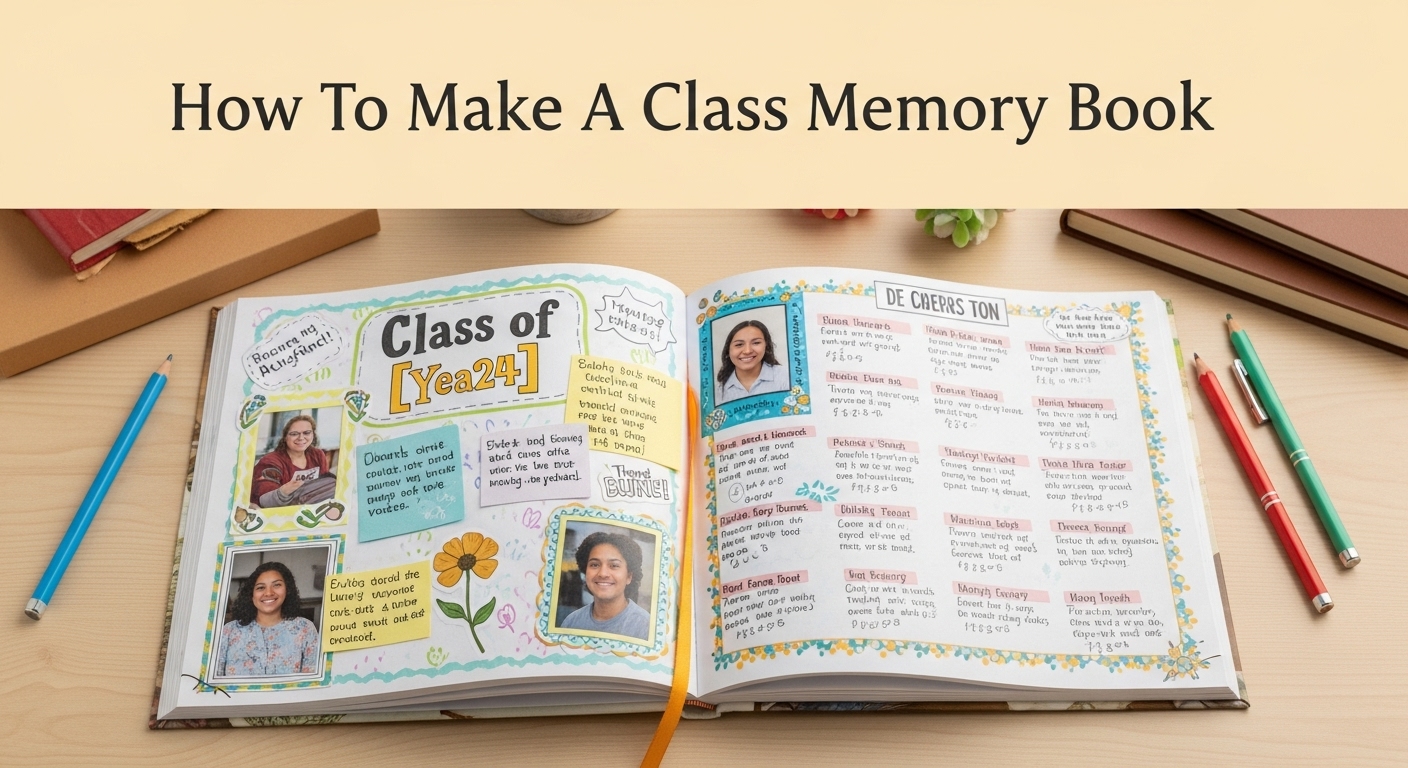
Creating a class memory book is a meaningful way to preserve school memories, celebrate achievements, and create a keepsake that students and teachers can cherish for years. Whether it’s for the end of the school year, a special class project, or a graduation gift, a well-designed memory book captures photos, stories, and milestones in a personalized and engaging format. Many educators and parents find the process intimidating at first, but with a clear plan, anyone can create a memorable, high-quality book.
For beginners, starting with how to write like a 10-page book is ideal. Learning how to make a book with 10 pages helps simplify the process, keeps the project manageable, and allows you to focus on layout, content, and design without getting overwhelmed. Short memory books are also perfect for younger students or small classes and can serve as a test run for larger, more complex projects.
This guide covers every step of creating a class memory book, from planning and gathering photos, quotes, and highlights, to designing layouts, choosing fonts and colors, and finally printing or self-publishing. Along the way, we’ll explore strategies for making your memory book interactive, visually appealing, and meaningful, including tips on including student contributions, handwriting samples, and keepsake features.
Whether you are crafting a short 10-page book or a more comprehensive yearbook, these practical tips ensure your class memory book is not only organized and professional but also a cherished memento for years to come. By combining thoughtful planning, creative design, and attention to detail, anyone can create a memory book that captures the spirit of the class while staying simple, fun, and impactful.
How To Make A Class Memory Book: A Complete Step-by-Step Guide for Teachers and Students
A class memory book is more than just a collection of photographs and notes—it is a time capsule of shared experiences, friendships, learning moments, and emotional milestones. Whether created at the end of a school year, after graduation, or following a special project, a class memory book preserves moments that students and teachers cherish for years.
In this detailed guide, you’ll learn how to make a class memory book from scratch, including planning, content ideas, layouts, themes, materials, and creative tips. This blog is designed for teachers, parents, and students who want to create a meaningful and well-organized memory book that truly reflects the spirit of the class.
What Is a Class Memory Book?
A class memory book is a curated collection of memories from a specific class or academic year. Unlike a traditional yearbook, it is usually more personal, creative, and reflective, often including handwritten notes, drawings, quotes, student reflections, and classroom highlights.
Class memory books can be:
- Physical (printed or handmade)
- Digital (PDFs, slideshows, or online albums)
- Individual (one per student)
- Collaborative (one book for the entire class)
Why Creating a Class Memory Book Is Important
Creating a class memory book has emotional, educational, and social value.
Emotional Value
Students feel a sense of belonging and nostalgia when they see their growth, friendships, and shared experiences documented.
Educational Value
Memory books encourage:
- Writing and reflection skills
- Creativity and self-expression
- Collaboration and teamwork
Long-Term Impact
Years later, a class memory book becomes a powerful reminder of:
- Early friendships
- Influential teachers
- Milestone moments in learning
Planning a Class Memory Book: Where to Start
Before jumping into design or content, proper planning ensures the memory book feels organized, inclusive, and meaningful.
Step 1: Decide the Purpose and Timeline
Ask yourself:
- Is this an end-of-year class memory book?
- Is it for graduation or a class transition?
- Will it be completed during class time or as a project?
Step 2: Choose the Format
| Format | Best For | Pros | Cons |
| Handmade scrapbook | Small classes | Highly personal | Time-consuming |
| Printed book | Formal keepsake | Professional look | Printing cost |
| Digital memory book | Large classes | Easy sharing | Less tactile |
| Individual student books | Personal reflection | Student ownership | Requires more effort |
Class Memory Book Content Ideas
The heart of any classroom memory book lies in its content. A good balance of visuals, text, and interactive elements keeps it engaging.
Essential Sections to Include
| Section | Description |
| Class Introduction | Class name, grade, year, teacher |
| Student Profiles | Photos, names, fun facts |
| Favorite Memories | Trips, events, celebrations |
| Classroom Highlights | Projects, achievements |
| Quotes & Messages | Funny, emotional, inspiring |
| Teacher’s Message | Reflection and encouragement |
| Future Dreams | Goals and aspirations |
Student Profile Page Ideas
Each student should feel represented. Profiles can be creative yet structured.
What to include:
- Photo or self-portrait
- Nickname
- Favorite subject
- Best classroom memory
- “When I grow up, I want to be…”
This section works especially well in student memory books and elementary classrooms.
Creative Class Memory Book Themes
Choosing a theme helps unify the entire book visually and emotionally.
| Theme | Suitable For |
| “Our Journey Together” | End-of-year classes |
| “Pages of Friendship” | Elementary school |
| “Then & Now” | Graduation classes |
| “One Class, Many Stories” | Middle school |
| “Memories That Made Us” | Any grade |
Design and Layout Tips for a Class Memory Book
Design plays a crucial role in making the memory book enjoyable to read.
Layout Best Practices
- Keep page layouts consistent
- Use readable fonts
- Balance text and images
- Leave white space to avoid clutter
Color and Visuals
- Use class colors or school colors
- Include doodles, borders, and icons
- Add scanned artwork or handwritten notes
Materials Needed for a DIY Class Memory Book
| Material | Purpose |
| Cardstock or paper | Durable pages |
| Markers and pens | Writing and drawing |
| Glue or tape | Attaching photos |
| Stickers and washi tape | Decoration |
| Binder or spiral | Binding the book |
For digital books, tools like Google Slides, Canva, or PDF editors work well.
Making the Process Inclusive and Fun
A class memory book should reflect every student, not just the most outspoken ones.
Tips for inclusivity:
- Give clear prompts to all students
- Allow different expression styles (writing, drawing, audio)
- Avoid ranking or comparison
- Celebrate individuality
Below is a rewritten, expanded, and more detailed version of the section you shared. The tone is polished, reflective, and suitable for a high-quality blog while maintaining clarity and depth.
Reflection Questions to Include in a Class Memory Book
Thoughtfully designed reflection questions transform a class memory book from a simple collection of photos into a deeply personal and meaningful keepsake. These questions encourage students to pause, think about their experiences, and express emotions they may not always verbalize in class. Reflection also helps students recognize personal growth, friendships, and lessons learned beyond academics.
Well-crafted reflection prompts work especially well in an end-of-year class memory book, as they provide emotional closure and help students articulate what the class truly meant to them.
Sample Reflection Questions for Students
What was your favorite moment in this class, and why did it stand out to you?
This question encourages students to relive joyful or meaningful experiences, such as group projects, celebrations, or unexpected fun moments.
Who helped you the most this year, and how did they support you?
Students reflect on friendships, teamwork, and teacher guidance, reinforcing gratitude and empathy.
What is one important thing you learned that was not in a textbook?
This question highlights life skills such as confidence, patience, cooperation, and resilience—often the most valuable lessons learned in school.
What will you miss the most about this class when the year ends?
Answers often reveal emotional bonds, routines, or classroom traditions that made the experience special.
What advice would you give to students who will be in this class next year?
This allows students to step into a mentoring role, offering insights, encouragement, or humorous warnings to future classmates.
Optional Reflection Prompts for Deeper Engagement
- How did you change or grow as a person this year?
- What was the most challenging moment, and how did you overcome it?
- What made this class different from others you have been part of?
These additional prompts are ideal for older students or more detailed student memory books.
Common Mistakes to Avoid When Creating a Class Memory Book
Even the most well-intentioned memory books can lose their impact if certain pitfalls are not avoided. Being mindful of these common mistakes ensures the final book feels inclusive, thoughtful, and emotionally rich.
1. Rushing the Process
A class memory book should never feel rushed. Starting too late often leads to missing details, forgotten names, or unfinished reflections. Planning ahead allows students time to think, write, and revise their contributions.
2. Overloading Pages with Text
While reflections are important, overcrowded pages can feel overwhelming. A good memory book balances short reflections, visuals, and white space, making it enjoyable to read years later.
3. Forgetting to Proofread Names and Details
Misspelled names or incorrect dates can diminish the value of a keepsake. Teachers or student editors should carefully review all content before finalizing the book.
4. Excluding Quieter or Less Confident Students
Not all students are outspoken. Structured prompts, templates, or one-on-one check-ins ensure every student feels equally represented in the class memory book.
5. Focusing Only on Academic Achievements
Grades and projects matter, but they are not what students remember most. A meaningful classroom memory book captures emotions, relationships, humor, and shared experiences, not just academic success.
A great class memory book values authenticity over perfection and connection over formality.
Benefits of a Class Memory Book for Teachers
Class memory books are not just for students—they are equally meaningful for teachers. Over time, they become powerful reminders of why educators do what they do.
Professional and Emotional Benefits
- A lasting record of teaching impact, showcasing how a teacher influenced students’ growth
- Emotional closure at the end of the school year, helping teachers reflect on successes and challenges
- A personal keepsake that preserves classroom memories beyond lesson plans and assessments
- Stronger teacher-student connections, built through shared reflection and storytelling
Many educators view a class memory book as a more personal and emotionally resonant alternative to a traditional yearbook.
Questions Teachers Often Ask About Class Memory Books
Teachers frequently have practical concerns when planning a class memory book, especially within a busy academic schedule. Below are some of the most common questions educators ask before starting.
- How early should we start collecting content?
- Should parents be involved in the process?
- Is a digital class memory book better than a printed one?
- How can we fit this project into an already packed curriculum?
These questions are common—and important. Addressing them early helps teachers plan efficiently, manage time effectively, and create a memory book that enhances learning rather than adding stress. Each of these concerns can be addressed with thoughtful planning, flexible formats, and age-appropriate involvement, which are explained in detail in the FAQ section.
Frequently Asked Questions (FAQs)
1. How long does it take to make a class memory book?
The timeline depends on the format. A simple book may take 2–3 weeks, while a detailed one may take a full term if done gradually.
2. What is the best age group for creating a class memory book?
Class memory books work for all age groups, from kindergarten to high school. The format and prompts should be adjusted accordingly.
3. Is a class memory book better than a traditional yearbook?
A class memory book is more personal and reflective, while yearbooks are formal and school-wide. Many teachers use memory books as a yearbook alternative.
4. Can a class memory book be digital?
Yes. Digital class memory books are popular because they are easy to share, edit, and store long-term.
5. How do you make sure every student is included?
Use structured templates, provide equal page space, and guide students with prompts to ensure fair representation.
6. Can parents contribute to a class memory book?
Yes. Parents can provide photos, messages, or reflections, especially for younger students.
Final Thoughts
Learning how to make a class memory book is about more than assembling pages—it’s about capturing a shared journey. When thoughtfully planned and creatively executed, a class memory book becomes a treasured keepsake that students and teachers return to long after the school year ends.
Whether you choose a DIY class scrapbook, a digital classroom memory book, or a professionally printed version, the value lies in the stories, emotions, and connections it preserves.