
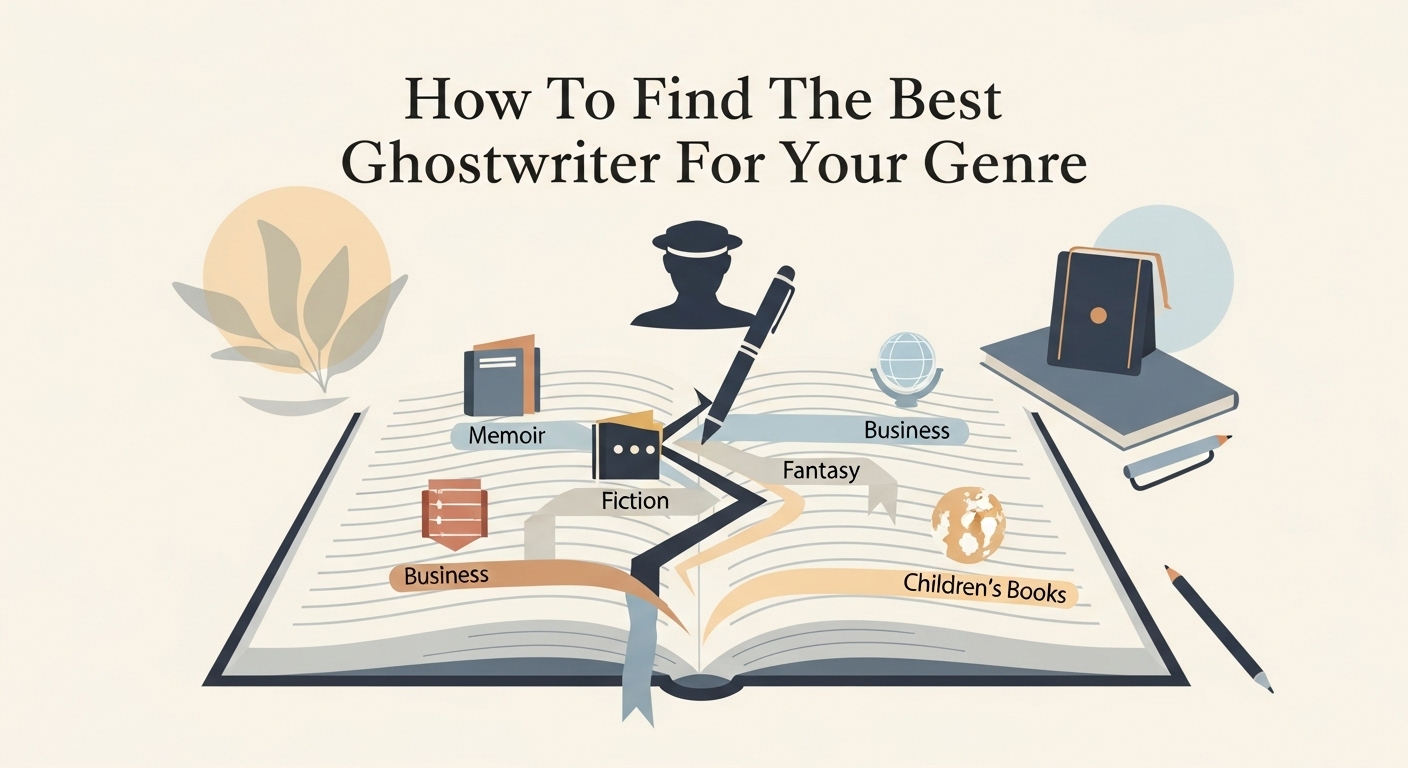
Finding the right ghostwriter isn’t about hiring someone who can simply write well—it’s about choosing a writer who understands the language of your genre. Every genre speaks in its own rhythm, expectations, and emotional logic. A memoir ghostwriter may excel at personal reflection but struggle with fantasy worldbuilding. A business-book specialist might master structure and authority yet miss the pacing and emotional depth required for fiction. When genre alignment is missing, the result is often a book that feels polished on the surface but emotionally disconnected at its core.
This is especially true in genres that demand a deep understanding of audience psychology. For example, learning How To Create A Storybook For Preschoolers requires more than simple language—it demands sensitivity to developmental stages, emotional safety, visual storytelling, and rhythm. A ghostwriter who lacks experience in this genre may technically deliver a manuscript, but it won’t resonate with young readers or caregivers. The same principle applies across all genres: voice, structure, and storytelling instincts must align with the audience.
Rather than offering generic hiring advice, this article takes a different approach by focusing on genre intelligence. You’ll learn how professional ghostwriters think, write, and shape narratives based on the genres they specialize in—and why that specialization matters more than raw writing talent. By the end, you’ll know exactly how to identify, evaluate, and select a ghostwriter who works with your genre’s rules and reader expectations, not against them.
Why Genre Matters More Than Writing Talent Alone
Many clients assume strong writing skills automatically translate across genres. In practice, genre writing is governed by reader expectations, structural conventions, and stylistic norms that take years to master.
A romance reader expects emotional intimacy and pacing that escalates toward connection. A fantasy reader expects internal logic, immersive settings, and layered lore. A nonfiction reader expects clarity, authority, and trust. A ghostwriter unfamiliar with these expectations may technically deliver a manuscript—but it won’t resonate with the target audience.
Genre expertise ensures: – Alignment with reader expectations – Familiarity with market standards – Appropriate tone, pacing, and structure – Stronger chances of publication or commercial success
Start With Absolute Clarity About Your Book
Before searching for a ghostwriter, define your book as precisely as possible. Vague briefs lead to mismatched collaborations.
Ask yourself: – Is this fiction or nonfiction? – What specific genre does it belong to (not just “fiction” or “business”)? – Who is the ideal reader? – What existing books feel closest in tone or style?
A clear project definition helps you filter ghostwriters quickly and prevents wasted conversations.
Genre Definition Checklist
| Question | Why It Matters |
| Primary genre | Determines structure and voice |
| Subgenre | Narrows stylistic expectations |
| Target audience | Guides tone and complexity |
| Comparable titles | Shows market positioning |
This step alone eliminates most unsuitable candidates.
Where to Look for Genre-Specific Ghostwriters
The best ghostwriters rarely advertise themselves as generalists. They position themselves around niches where they can demonstrate authority.
Common places to find genre-aligned ghostwriters include: – Professional ghostwriting agencies with niche portfolios – Author referrals within your genre – Publishing consultants and book coaches – Long-form writing platforms with vetted specialists
When browsing profiles or websites, look for patterned experience. One successful project in your genre is not enough—consistency matters.
How to Evaluate a Ghostwriter’s Genre Fit
Instead of asking, “Are you good at writing?”, ask questions that reveal how deeply the ghostwriter understands your genre.
Questions That Reveal Genre Expertise
- What are common mistakes authors make in this genre?
- How do reader expectations differ across subgenres?
- Which books define the current market for this genre?
- How do you approach structure and pacing here?
A qualified genre ghostwriter will answer confidently and specifically, without relying on vague writing principles.
Reading Portfolios the Right Way
Most clients skim writing samples for grammar and style. That’s not enough.
When reviewing a ghostwriter’s portfolio, evaluate: – Voice consistency – Genre-appropriate pacing – Emotional or informational payoff – Alignment with reader expectations
Ask yourself: Does this sound like the kind of book readers in my genre actively buy?
If the answer is uncertain, keep looking.
Matching Ghostwriter Types to Book Genres
Different genres tend to attract different kinds of ghostwriters. Understanding this helps you refine your search.
| Genre | Ideal Ghostwriter Background |
| Memoir | Narrative nonfiction specialists |
| Business | Corporate writing or publishing experience |
| Romance | Fiction writers with market awareness |
| Fantasy | Worldbuilding and series experience |
| Self-help | Psychology, coaching, or education background |
This alignment reduces revision cycles and creative friction.
Communication Style Is a Hidden Deal-Breaker
Even a technically perfect ghostwriter can fail if collaboration styles clash. Some ghostwriters are highly structured and outline-driven. Others are exploratory and interview-focused.
During early conversations, observe: – How they ask questions – How they explain their process – How well they listen to your goals
Genre projects often require long-term collaboration, especially for series fiction or thought-leadership nonfiction. Compatibility matters.
Red Flags When Hiring a Ghostwriter
Be cautious if a ghostwriter: – Claims to write every genre equally well – Cannot explain genre-specific reader expectations – Avoids showing relevant samples – Focuses only on word count and speed
These signals often indicate surface-level experience.
Step-by-Step: Finding the Best Ghostwriter for Your Genre
Step 1: Define Your Genre With Precision
Clarify your primary genre, subgenre, and audience.
Step 2: Shortlist Genre Specialists Only
Ignore generalists unless they demonstrate repeated success in your genre.
Step 3: Review Samples Strategically
Evaluate for genre execution, not just writing quality.
Step 4: Conduct a Genre-Focused Interview
Ask questions that test market and reader knowledge.
Step 5: Assess Collaboration Fit
Ensure communication style and workflow align.
Step 6: Start With a Trial Phase
Begin with a sample chapter or outline before committing fully.
SEO-Optimized Keyword Integration
This article naturally incorporates semantic and long-tail keywords such as: – how to find the best ghostwriter for your genre – genre-specific ghostwriting services – hire a ghostwriter for fiction and nonfiction – choosing the right ghostwriter for your book – professional ghostwriter by genre
Frequently Asked Questions
Can one ghostwriter write multiple genres well?
Some can, but most excel in one or two closely related genres. Deep specialization usually produces better results.
Should I hire a ghostwriter who has published books?
Published experience helps, but genre-specific ghostwriting experience is more important than personal authorship.
How much should a genre ghostwriter cost?
Rates vary widely based on genre complexity, experience, and scope. High-demand genres typically command higher fees.
Is it okay if the ghostwriter hasn’t worked on a bestseller?
Yes. Market understanding and execution matter more than headline credentials.
Do I need different ghostwriters for different books?
Often, yes. Each genre may require a different skill set and creative approach.
Final Perspective
Finding the best ghostwriter for your genre is a strategic decision, not a creative gamble. When genre knowledge, writing skill, and collaboration style align, the result is a book that feels authentic, market-ready, and unmistakably yours. The goal is not just to finish a manuscript—but to create a book that truly belongs in its genre.